40 years of eye surgery experience. Flexible Payment Plans for 12 Months Starting $31/week . Rebates to some Private Health Insurance.

1209 High St, Armadale VIC 3143
Explore options beyong glasses and contacts with laser eye surgery in Melbourne
Are you considering alternatives to glasses or contact lenses? If so, laser eye surgery may be the solution you've been looking for.
Take Our 2 Minute Self Test
with this quick quiz, you will…
Get an initial indication of whether laser eye surgery options may be suitable for you, subject to clinical assessment.
Discover different laser eye surgery options discussed during a clinical consultation.
Take the next step in learning about laser eye surgery options discussed during consultation.
Laser eye qualified professionals in Melbourne
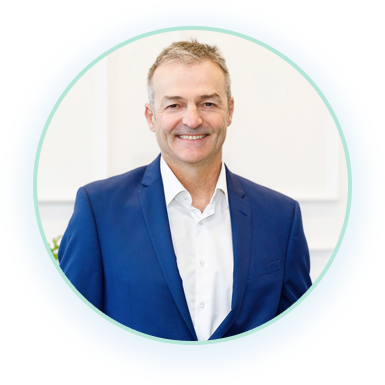
Dr Anton van Heerden
Dr Anton Van Heerden (MBCHB; FRANZCO) is a cataract and vision correction (refractive) surgeon. Formerly Head of Department, Surgical Ophthalmology Services at The Royal Victorian Eye and Ear Hospital, Dr Anton is now a Director of Eye Laser Specialists, Armadale Eye Clinic and Mornington Peninsula Clinic.
Read More
Dr Anton completed his medical degree at Stellenbosch University, South Africa and began his junior medical career in rural KwaZulu-Natal. During this time, he gained valuable experience managing cataract-related vision loss within a challenging healthcare environment. These early clinical experiences contributed to his decision to pursue ophthalmology and shaped his interest in vision correction and cataract care.
Since then, he has remained dedicated to the field, focusing on careful clinical practice and ongoing professional development.
Dr Anton went on to become a member of the Royal College of Ophthalmologists in London, UK, where he furthered his surgical skills. He completed his post-graduate training at Groote Schuur Hospital in Cape Town, South Africa, before moving to Melbourne, where he completed his fellowship training in medical retina and inflammatory eye disease at The Royal Victorian Eye and Ear Hospital.
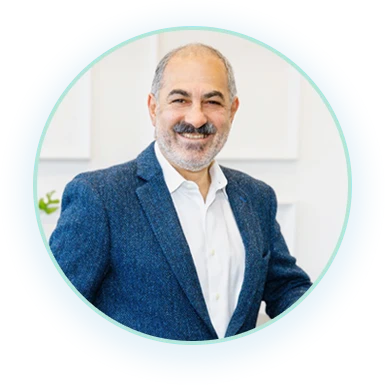
Dr Edward Roufail
Dr Edward has performed thousands of cataract, retinal and macular surgeries, including multifocal intraocular lens (MFIOL) and implantable collamer lens (ICL) surgeries. His areas of clinical speciality include cataract surgery, vitreoretinal surgery, medical retina and cataract, and refractive surgery.
Read More
Dr Edward completed his surgical training in cataract and vitreoretinal surgery at Melbourne’s Royal Victorian Eye and Ear Hospital, as well as in New Zealand and the UK. He trained in laser vision correction at The London Eye Clinic. He has contributed to over 17 peer-reviewed publications and teaches new retinal surgical fellows and ophthalmology registrars at Melbourne’s Royal Victorian Eye and Ear Hospital.
Take the next step in learning about laser eye surgery options
The right way to find out if LASIK or SMILE laser eye surgery is right for you is to have a free initial appointment. You’ll get a clear answer from us on your suitability and treatment options
What to expect after Laser Eye Surgery
Every aspect of daily routines may feel different when vision changes, depending on individual needs and visual goals.
Explore vision options without glasses or contact lenses
Every aspect of daily routines may feel different when vision changes, depending on individual needs and visual goals.
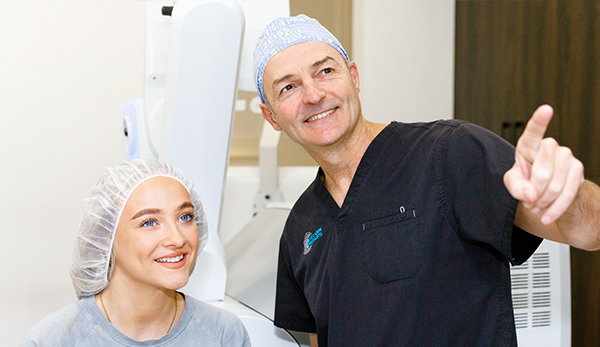
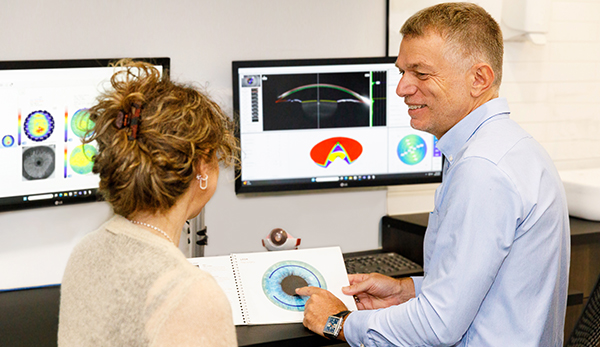
Discover personal vision changes
Vision changes after laser eye surgery vary between individuals. Daily activities, exercise, and routines may feel different depending on personal habits, eye health, and outcomes discussed during consultation.
Vision and activity considerations
Participation in activities after laser eye surgery varies between individuals. Visual needs, eye health, and personal circumstances influence how people adapt to different activities following assessment and consultation.

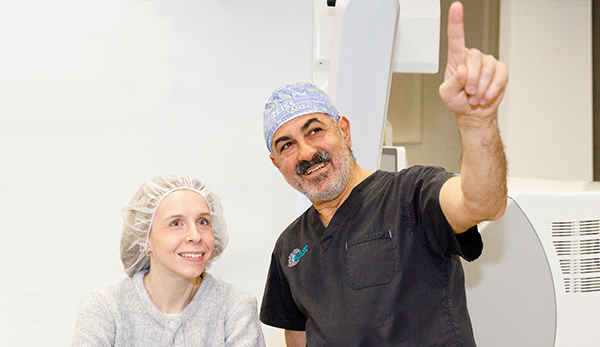
Life considerations after laser eye surgery treatment
You may change how you use glasses or contact lenses after laser eye surgery, depending on vision needs, eye health, lifestyle preferences, and discussions during consultation.
Note: Every patient journey is different, and healing responses and results may vary. In some cases, over- or under-correction may occur, and a top-up procedure called an ‘enhancement’ may be required. All surgery carries risk and potential side effects, and these will be carefully explained before any decisions are made.
Interested in learning more about laser eye surgery?
Learn more about the assessment and treatment process.

Reach out
Book a free appointment or give us a call on 03 9070 5788 and we’ll help guide you towards a free appointment.

We'll meet
We’ll ensure you’re a good candidate before treating you at our refractive eye specialist clinic close to Melbourne CBD.

Your care begins
We’ll supervise your aftercare as you begin follow-up care following treatment, with vision needs reviewed and discussed as part of recovery.
LASIK explained
Everything you need to know about LASIK laser eye surgery
Disclaimer: Not everyone is suitable for LASIK surgery. Your suitability, experience and results will depend on your eyes, your health, and how you heal. All medical and surgical procedures carry potential risks and side effects, and we’ll discuss these before any decisions are made. The information on this page is general in nature, and you should consult your ophthalmologist for specific medical advice.
Take this short questionnaire to see whether laser eye surgery may be suitable for you.
Not everyone is suitable for laser eye treatment – your options change depending on your eyes and age. Find out which type of treatment is right for you by taking this quick 2 min quiz:
About Eye Laser Specialists
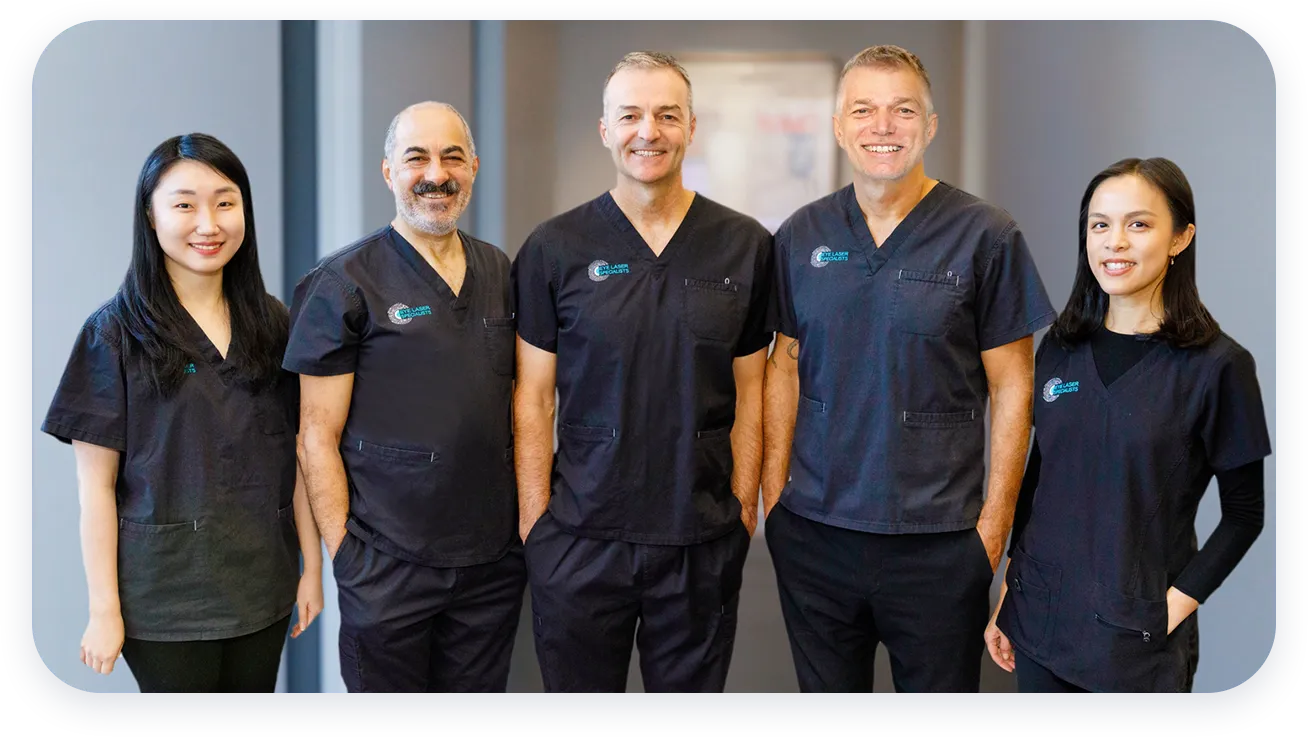
Our eye doctors bring a combined 40 years of eye surgery experience to Armadale, Melbourne and East Melbourne.
We focus on ensuring you feel informed and supported throughout the consultation and treatment process.
Dr van Heerden is supported by skilled clinicians, all of which have optometry and orthoptics training and will play an important role in discussing your visual needs, answering any questions you may have, and offering clinical guidance. They will also be supporting your visual recovery following surgery.
Note: Any surgical or invasive procedure carries risks. Before proceeding, you should seek a second opinion from an appropriately qualified health practitioner.